
2026-11-20 23:00:00 | Mungsir – 校務組
Improvements in English proficiency across Primary Three, Six and Form Three, but mixed results for Chinese and mathematics competency
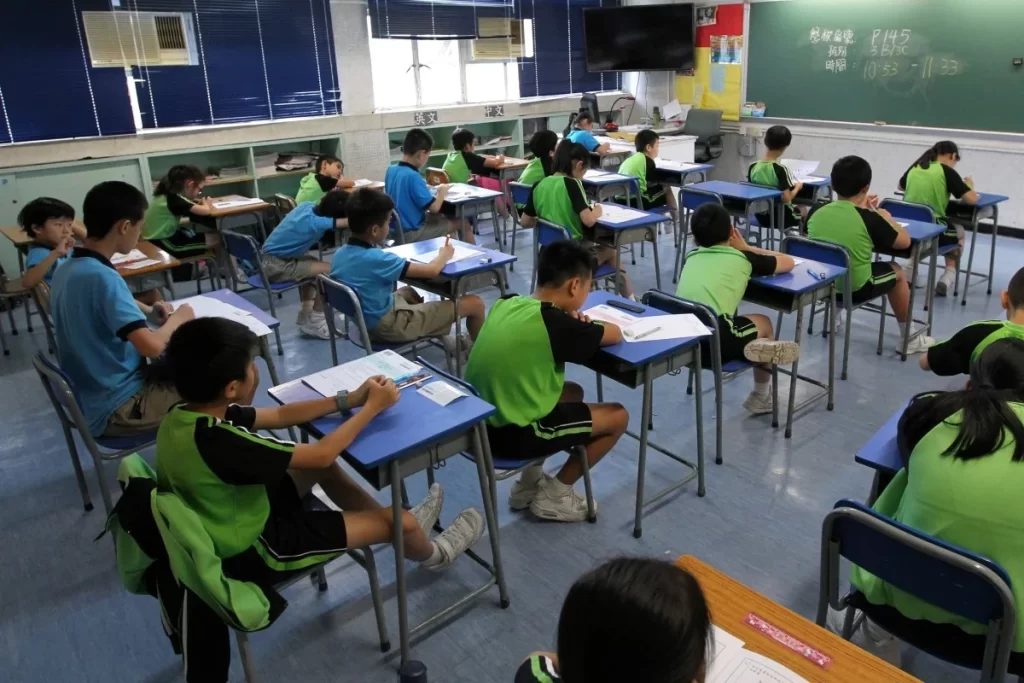
The English competency level of Hong Kong’s Primary Three pupils has reached a record high in a citywide assessment by authorities, marking a recovery from the Covid-19 pandemic.
Results for this year’s Territory-wide System Assessment, released on Thursday, showed that English proficiency for Primary Three, Primary Six and Form Three pupils has improved from last year, reversing a downward trend since the outbreak of the pandemic.
Notably, 83.2 per cent of the city’s Primary Three pupils have attained basic competency in the language, the highest passing rate since the test began in 2004, and up from 78.7 per cent last year.
It was also the first time that the passing rate for English outperformed that for Chinese in any student group, as 81.4 per cent of Primary Three pupils achieved basic competency in Chinese in 2025, an increase of half a percentage point from last year.
Announcing the results, the Education Bureau (EDB) said the data remained generally steady and similar compared with the results of the previous assessments.
“The EDB expresses its gratitude to the school sector for continuously adopting diversified teaching strategies and measures to cater for the different needs of students and raise teaching effectiveness,” it said.
Meanwhile, the assessment showed that English competency among Primary Six and Form Three students had also improved.
Slightly more than 70 per cent of Primary Six pupils passed the basic competency test, up from 64.3 per cent in 2023.
The test for this student group is only being conducted in odd-numbered years.
For Form Three pupils, the passing rate also improved to 68.8 per cent from 67 per cent last year.
Primary school principal Chu Wai-lam, who is also chairman of the New Territories School Head Association, said the improved performance could have resulted from schools adjusting their teaching and enhancing support for students after the pandemic.
Students’ learning was adversely affected during the pandemic, but their foundations had gradually recovered after the normalisation of teaching and learning, he said.
“With the normalisation of study after the pandemic, schools understood they needed to strengthen pupils’ learning, in terms of curriculum design, in-class teaching and after-class support, and students naturally apply the language more effectively,” he said.
Chu added that schools were also likely to have stepped up preparations for the assessment, helping boost students’ confidence.
“With their linguistic foundation consolidated, I infer that their strong performance will persist into senior years,” he added.
Conducted annually by the government, the assessment measures the proficiency of Primary Three, Primary Six and Form Three students in Chinese, English and mathematics, based on a sample of about 10 per cent of pupils at each level citywide.
This year’s tests were conducted in May and June.
The mathematics passing rate for Primary Three pupils edged up by 0.1 percentage point from last year to 85.4 per cent.
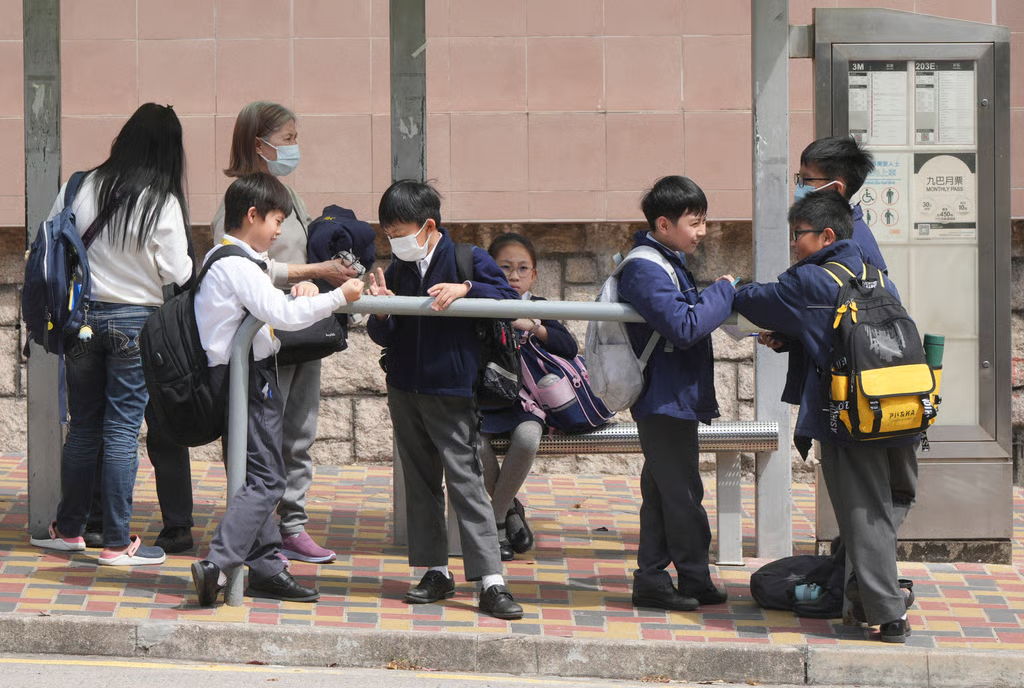
The Education Bureau credits the rebound of results since the Covid-19 pandemic to diversified teaching strategies and targeted support in schools. Photo: Sam Tsang
Primary Six students achieved a 79 per cent passing rate in the subject, up from 78.3 per cent in 2023.
However, only 70.5 per cent of them attained basic competency in Chinese, down from 71.1 per cent in 2023, the lowest level in two decades.
Form Three pupils performed better in Chinese than last year, with 78 per cent passing the test, an increase of one percentage point. But their passing rate in mathematics slipped to 78.2 per cent, down from 79 per cent in 2024.
Ricky Ng Wing-hung, chairman of the Kwai Chung District Primary School Heads Association, agreed that the improvements in Primary Three students’ performance could be attributed to normalised school hours following the pandemic.
But no arbitrary conclusions should be drawn from the decline in the passing rate for Chinese among Primary Six students, he said.
“A long-term solid foundation is important for the Chinese language subject, especially for senior primary students,” he said, adding that people should observe passing rate trends for a few more years to draw a bigger picture.
“It would be better to track the same cohort of students for their performance. But the assessment was halted three years ago, so we don’t know how they were performing when they were in Primary Three, and there is no meaningful comparison.”
The rebound in positive results followed a period of decline in pupils’ performance in the subjects after the pandemic.
In 2024, Primary Three pupils recorded their lowest results in mathematics and English language since 2005, while the Chinese passing result dropped to a historic low of just 80.9 per cent.
These declines continued through 2023, showing a sharp fall from 2019 levels after the pandemic halted the assessment for three years.
Education sector leaders at the time attributed the declines to the pandemic, as pupils were forced to attend classes online, leading to reduced interaction with peers and teachers.